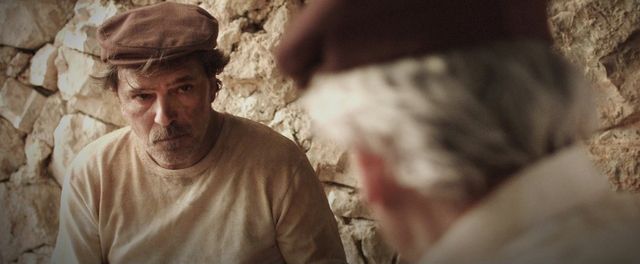
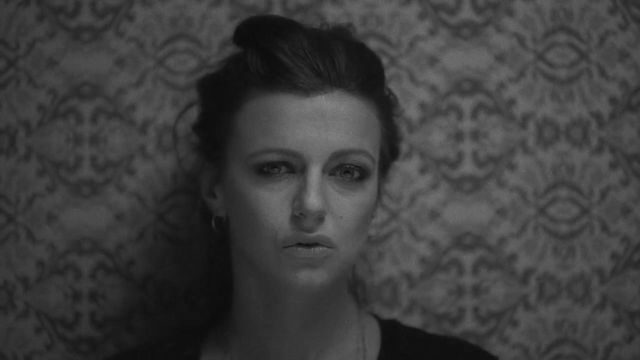
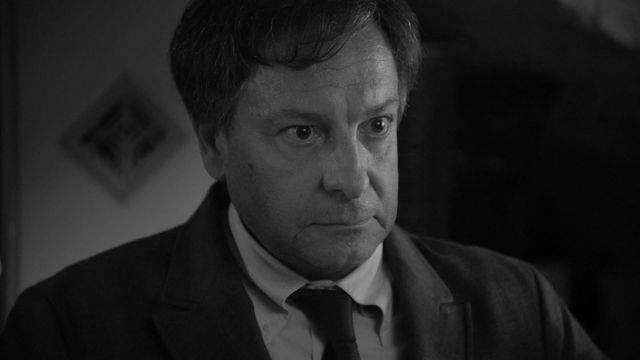
- Lighting diagram
- A plan view of the scene: camera, actors, units, flags and diffusion.
- Setup
- The lighting of a scene: what is on, where and why.
- Base light
- Light that lifts the scene like a painter’s canvas, then a few details. It must cast no shadows and never reveal where the units are.
- Spot
- A small unit aimed at a single detail.
- Bounce
- A light surface that returns the light and opens the shadows.
- Floppy
- A 4×4 black flag with a second panel that opens it to 4×8. Close to the face it takes light away instead of adding it: negative fill, which sculpts.
- Duvetyne
- Matte black cloth on the floor to kill the bounce; a white cloth fills from below.
- Mirror board
- Sends a source, even the sun, where no unit can reach.
- Overhead / butterfly
- A diffusion frame held above the actor, even a small 2×1: it softens or removes the top light.
- Frost frame
- A diffusion frame in front of a unit: it makes the light large and soft.
- Volumetric light
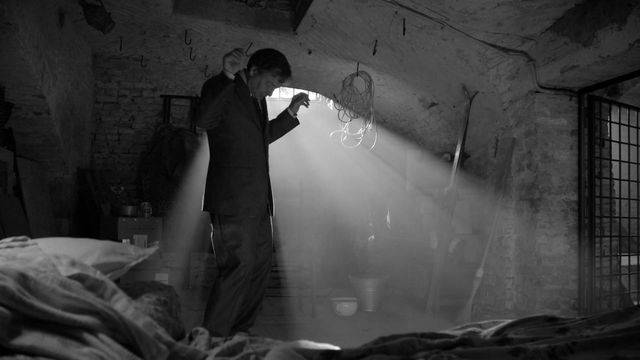
- A beam made visible by smoke or dust in the air.
- Practical
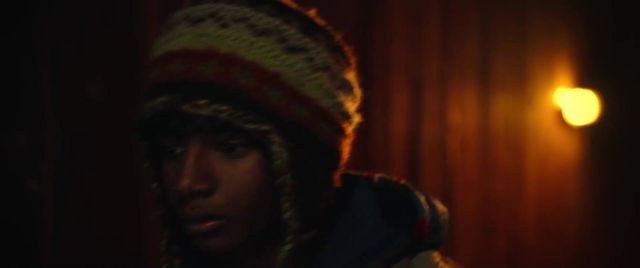
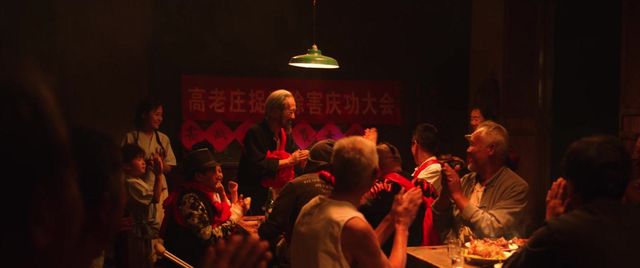
- A source visible in shot, such as a lamp or a bulb.
- Motivated light
- Light that seems to come from a source in the scene, even when the unit is elsewhere.